Death of Lebanese Medic Highlights Growing Danger for Humanitarian Workers in War
The death of a young paramedic in southern Lebanon has intensified global concern over the rising number of humanitarian and medical workers killed in modern warfare.
Hasan Badawi, a volunteer with the Lebanese Red Cross, was reportedly killed while responding to an emergency call near Bint Jbeil earlier this month. He was 31 years old, a father, and expecting another child.
According to the Red Cross, Badawi and his team were traveling in a clearly marked ambulance and wearing visible emergency uniforms. The organization says safe movement had been coordinated in advance.
Despite that, the team was struck during operations. One colleague was also injured. Israeli officials said the strike targeted a Hezbollah member in the area and that the incident involving the ambulance team remained under review.
The tragedy has become part of a larger pattern.
Lebanon’s health ministry says at least 100 health workers have died since the regional war escalated earlier this year, including at least 95 emergency medical responders and volunteers.
That number reflects not only battlefield danger, but also the weakening of long-standing wartime norms intended to protect medics.
Under the Geneva Conventions, medical teams, ambulances, aid workers, and civilians are granted special protections. In principle, they must not be attacked unless directly participating in hostilities.
Yet humanitarian groups say those protections are increasingly ignored across multiple conflicts.
Tom Fletcher told the United Nations Security Council that 326 aid workers were killed globally in 2025 alone. Over the past three years, more than 1,010 humanitarian personnel have died in conflict settings.
Those deaths span regions including Sudan, South Sudan, Ukraine, Congo, Gaza, and now Lebanon.
Israel says it follows international law and takes precautions to reduce civilian harm. The Israel Defense Forces also accuses Hezbollah of placing military assets near civilians and using civilian infrastructure for operational cover.
Critics argue such claims do not remove obligations to distinguish between combatants and medics.
Further concern arose days after Badawi’s death when four more paramedics were reportedly killed in Mayfadoun while responding to earlier strikes. Local services said rescue teams arriving after the first strike were then hit in subsequent attacks.
This pattern—sometimes described as repeated strikes during rescue efforts—has drawn intense scrutiny in several war zones over recent years.
For Lebanon, the impact is especially severe.
The country entered the conflict already weakened by financial collapse, strained hospitals, shortages, and fragile public services. Every damaged ambulance and every lost medic reduces the ability to respond to future emergencies.
The International Committee of the Red Cross warned that the loss of even one ambulance can leave communities without urgent care.
For civilians, that means heart attacks, childbirth emergencies, injuries, and chronic illness crises may all become harder to treat—not just war wounds.
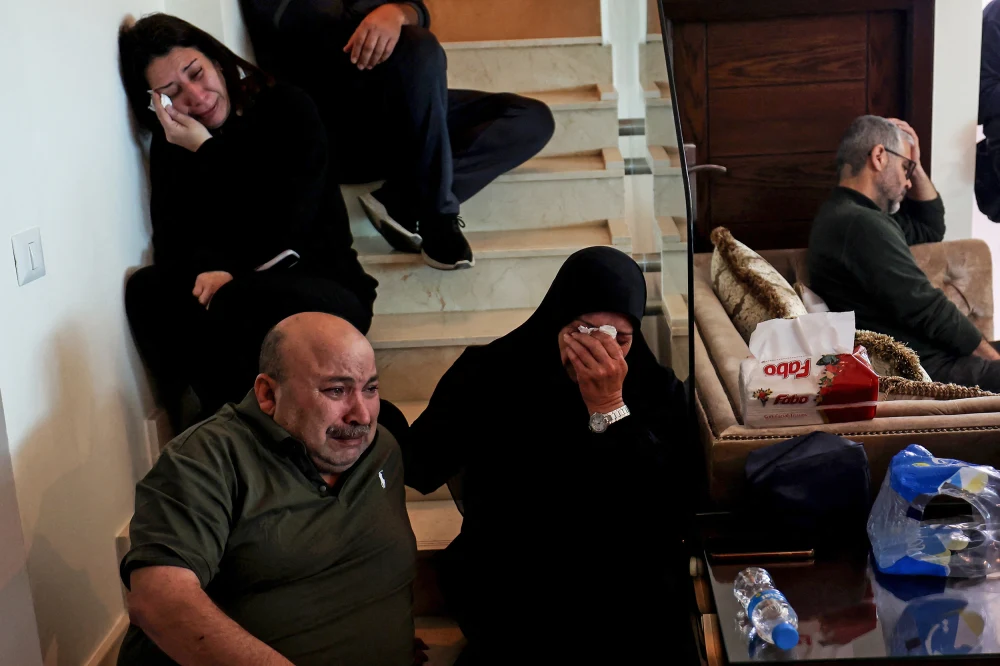
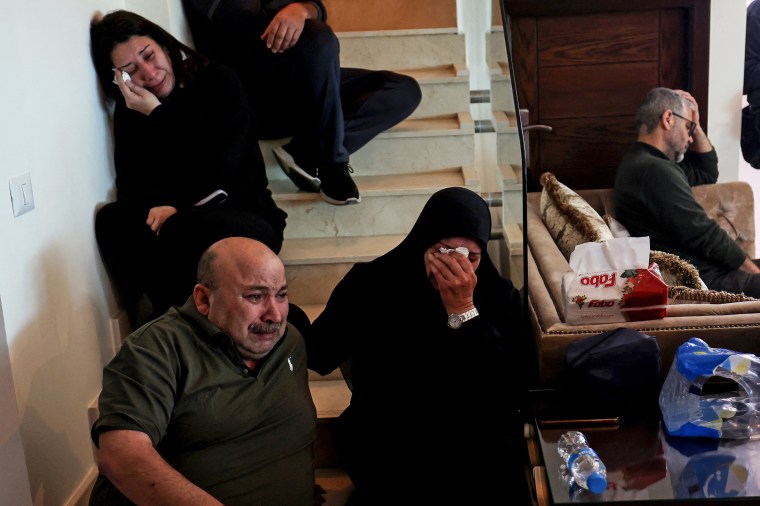
For Badawi’s fellow responders, the emotional toll is profound. Colleagues described him as family and said medics enter danger to save strangers, not expecting to die in marked rescue vehicles.
Temporary ceasefire efforts have slowed some fighting, but military operations continue in parts of southern Lebanon.
Humanitarian agencies are now repeating a message heard in every major war: respect medical neutrality.
Because once first responders become targets, survival itself becomes harder for everyone else. conflicts