Disney Faces FCC License Battle After Jimmy Kimmel Controversy and DEI Probe
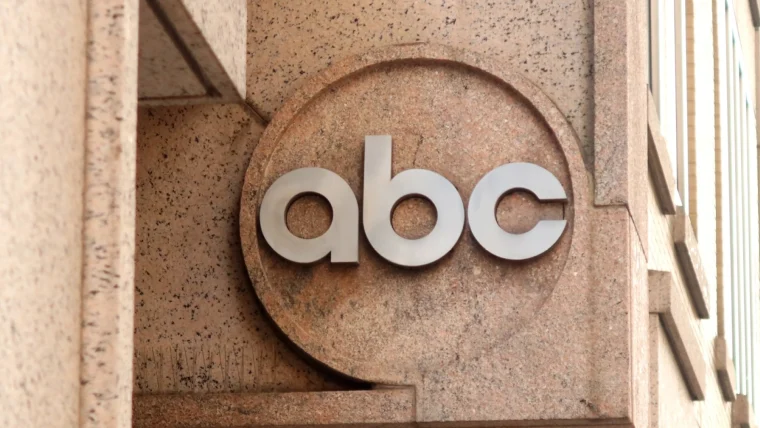
The Walt Disney Company has been thrust into a major regulatory and political battle after the Federal Communications Commission ordered the company’s eight owned-and-operated ABC stations to file early license renewals.
The surprise directive affects stations in some of America’s largest markets, including Los Angeles, New York City, Chicago, Philadelphia, and Houston. Their next routine renewals were reportedly years away.
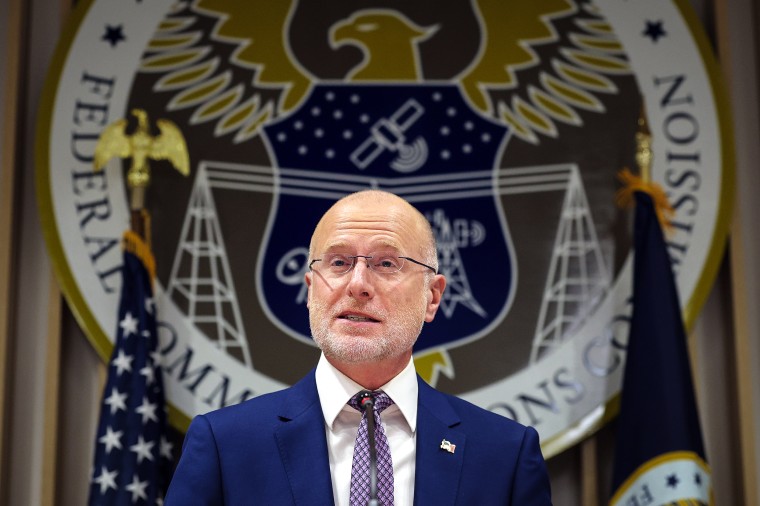
Officially, the FCC says the order stems from an ongoing investigation into Disney’s diversity, equity, and inclusion practices. But the action came amid heightened political outrage over comments by late-night host Jimmy Kimmel, whose show airs on ABC.
Kimmel joked about Melania Trump during a parody segment tied to the White House Correspondents’ Dinner. Critics on the political right called the remarks offensive, while supporters described them as standard late-night satire.
Donald Trump then publicly demanded that Disney and ABC fire Kimmel immediately.
The sequence of events has led critics to question whether the FCC order is truly administrative—or politically charged.
Broadcast licenses are not symbolic documents. They are legal permissions allowing stations to use public airwaves. Without them, local television operations cannot continue normally. Although renewals are usually routine, accelerated reviews can create reputational and operational pressure.
Disney has responded firmly.
A spokesperson said ABC stations have consistently complied with FCC rules while delivering trusted journalism, emergency information, and programming that serves local communities. The company also stated it is prepared to defend its qualifications through appropriate legal channels.
That response hints at possible litigation.
The strongest likely argument would center on the First Amendment to the United States Constitution and claims that government power cannot be used to punish speech or viewpoint indirectly through licensing.
Opposition to the FCC order has also emerged internally. Commissioner Anna M. Gomez called the move unlawful and a political stunt, saying it would not survive scrutiny.
Media advocacy group Free Press similarly accused regulators of trying to silence dissent and reward presidential anger with administrative action.
FCC representatives deny that interpretation, saying the decision is based on a pre-existing DEI inquiry rather than Kimmel’s remarks.
Yet public perception may be harder to control than legal language. Timing often shapes narratives, and critics argue the timing here is impossible to ignore.
The dispute could have consequences beyond Disney.
If one administration can aggressively scrutinize broadcasters after controversial commentary, future administrations may feel empowered to do the same. That possibility worries civil liberties groups and media companies alike.
For Disney, the challenge is multidimensional: protecting corporate reputation, defending broadcast assets, managing political attacks, and preserving creative independence for talent like Kimmel.
For Kimmel, the controversy reinforces his long-running role as a direct critic of Trump-era politics—something that has repeatedly made him a target.
For the American public, the case raises a deeper question: should regulatory tools ever intersect with partisan disputes involving comedy, criticism, or satire?
Disney’s next legal and strategic steps will be watched closely across Washington, Wall Street, and Hollywood.
Because this fight is no longer only about licenses—it is about where political influence ends and media freedom begins.