
Trump Reviews Iran Offer Focused on Oil Route While Nuclear Deadlock Continues
Donald Trump is reviewing a reported proposal from Iran that could temporarily shift the direction of stalled diplomacy. Rather than tackling nuclear enrichment immediately, Tehran is said to be proposing a deal centered on reopening the Strait of Hormuz and reducing war tensions first.
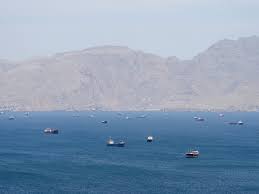
The reported initiative arrives during a prolonged standoff that has rattled global markets and raised fears of wider regional escalation. The Strait of Hormuz remains one of the world’s most critical trade chokepoints, with major oil shipments depending on uninterrupted access.
According to officials cited in regional reporting, the proposal was reviewed Monday during a White House meeting involving Trump and national security advisers. Press Secretary Karoline Leavitt confirmed discussions took place but indicated no decision had been made.
She emphasized that the president’s red lines regarding Iran remain unchanged. That likely refers to Washington’s longstanding demand that Iran halt or sharply restrict nuclear enrichment activities.
This issue has consistently blocked progress. For the U.S., enrichment is viewed as the central security concern. For Iran, it remains a sovereignty issue tied to national pride, deterrence, and scientific development.
By contrast, the Strait of Hormuz presents a more immediate economic problem. Any disruption there can quickly send crude prices higher, affect shipping insurance costs, and intensify inflation pressures worldwide.
That is why Gulf allies are believed to favor rapid progress on maritime stability even if broader nuclear disagreements remain unresolved. Members of the Gulf Cooperation Council were also expected to review the proposal.
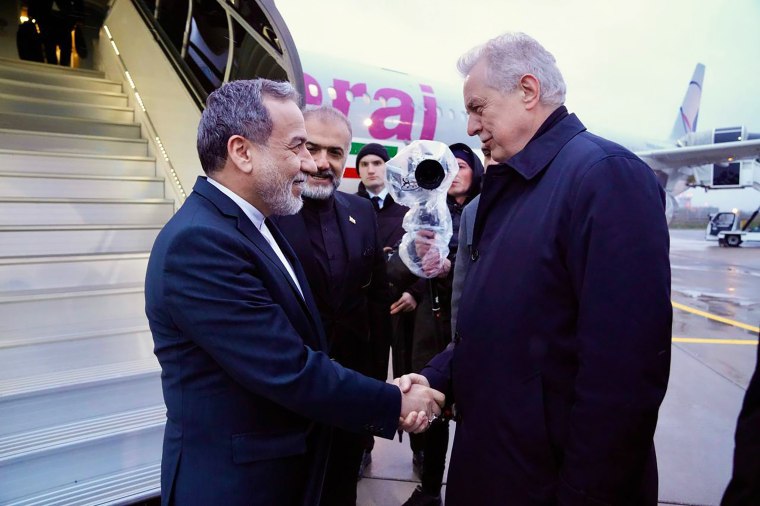
Iran’s diplomatic campaign has expanded beyond Washington. Foreign Minister Abbas Araghchi traveled to Islamabad to share the framework with Pakistani mediators, underscoring Islamabad’s growing role as a communication channel.
He later traveled to Russia for meetings with President Vladimir Putin. Russia has long sought influence in regional diplomacy and may view itself as a useful intermediary or balancing power.
At home, Trump has publicly framed the standoff as leverage for Washington. He says U.S. restrictions on Iranian oil exports are depriving Tehran of crucial revenue while limiting storage capacity and increasing pressure.
Yet Iran has not shown signs of surrendering quickly. It retains strategic geographic leverage through Hormuz and may calculate that global dependence on energy flows strengthens its negotiating hand.
Trump’s cancellation of a planned envoy trip added another dramatic twist. He said too much time had been wasted on travel and signaled that if Iran wanted talks, it could simply call directly. Later, he claimed Tehran sent an improved offer shortly afterward.
Whether that was negotiation theater or a genuine breakthrough remains unclear.
Experts note that phased deals are common when comprehensive agreements prove impossible. One side gets immediate relief on urgent issues; harder disputes are postponed. The risk, however, is that temporary deals can freeze rather than solve the core conflict.
If Washington accepts a Hormuz-first framework, it may calm markets and reduce immediate tension. But critics may argue it gives Iran time without resolving nuclear concerns.
If the White House rejects the plan, energy volatility and regional confrontation could continue.
The next signal may come directly from President Trump, who aides suggested may comment soon. Investors, diplomats, and allies are likely to watch closely.
For now, the crisis has distilled into a familiar strategic question: address the urgent economic threat first—or insist that the deeper nuclear dispute be settled before anything else.