PayPal Restructures as Venmo Becomes Standalone Unit — Is a Sale on the Horizon?
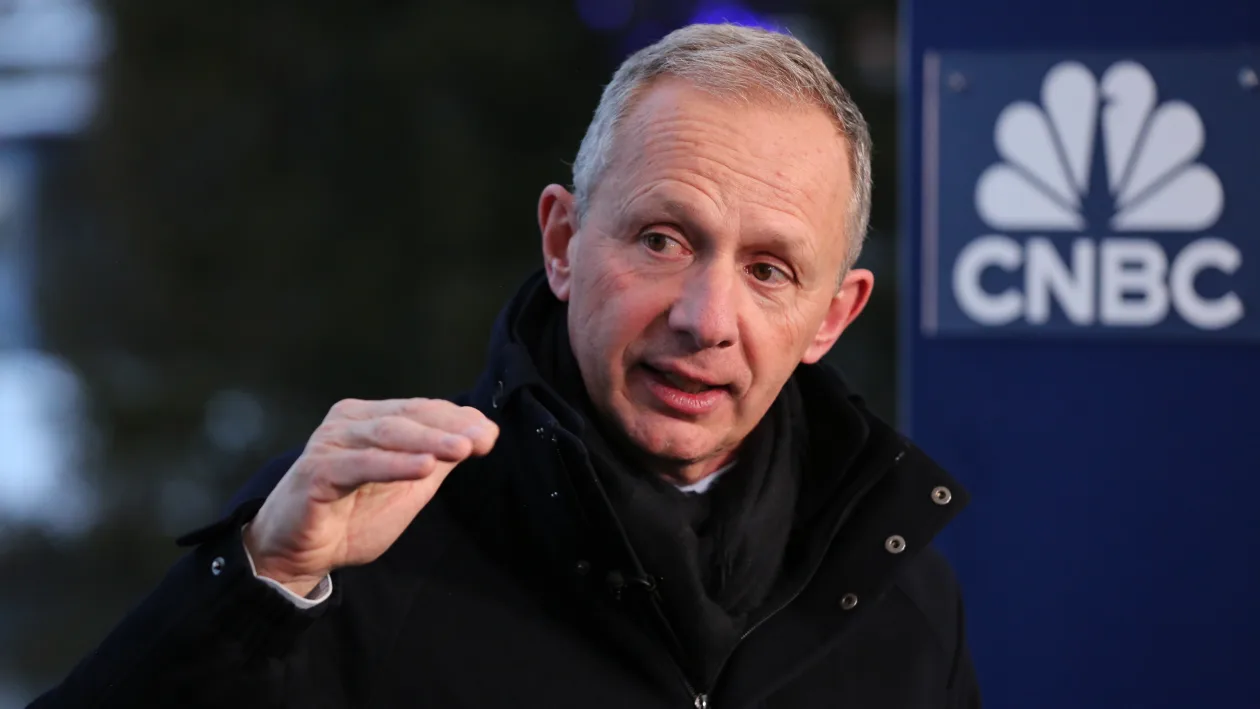
A major strategic shift is underway at PayPal as its new CEO, Enrique Lores, moves to separate Venmo into an independent business unit — a decision that could reshape the future of one of the world’s most popular digital payment platforms.
The move, revealed through internal communications, signals a broader restructuring effort aimed at restoring growth and unlocking value within PayPal, which has struggled to maintain its competitive edge in recent years.
A Strategic Break: Why Venmo Is Being Spun Out Internally
Venmo, with nearly 100 million users, has long been one of PayPal’s most recognizable and fastest-growing assets. By turning it into a standalone segment, the company can now track its performance more transparently — and potentially prepare it for a future sale or spin-off.
According to sources familiar with the restructuring, PayPal is also seeking a dedicated digital banking executive to lead Venmo as an independent division. This signals a shift toward treating Venmo not just as a feature, but as a core business with its own growth trajectory.
The restructuring doesn’t stop there. PayPal is reorganizing into three main segments:
- A PayPal-branded core business for merchants and consumers
- A payment services unit including Braintree and crypto operations
- The newly independent Venmo segment
This cleaner structure is designed to simplify operations, improve accountability, and make each unit more attractive to investors or potential buyers.

Pressure Mounting: Competition and Declining Market Position
The changes come at a critical time for PayPal, which has faced increasing pressure from rivals such as Apple, Google, and Stripe in the digital payments space.
Over the past few years, PayPal has lost significant market share in e-commerce transactions, while its stock price has dropped dramatically — reportedly falling nearly 80% from its pandemic-era peak.
This decline has not gone unnoticed. Reports suggest that potential buyers, including Stripe, have shown interest in acquiring parts — or even all — of PayPal’s business.
By isolating Venmo as a standalone unit, PayPal may be positioning itself for strategic flexibility, whether that means attracting investors, spinning off assets, or negotiating future deals.
Leadership Shake-Up and Internal Changes
The restructuring follows a leadership transition earlier this year, when Enrique Lores replaced former CEO Alex Chriss.
Chriss had previously initiated plans for significant cost-cutting measures, including a proposed 15% workforce reduction. However, those plans are now in limbo as the new leadership reevaluates priorities.
At the same time, several key executives are exiting the company, including senior leaders who previously oversaw Venmo and small-business operations.
PayPal is also investing in future growth areas. A new artificial intelligence transformation group is being established, led by a former Walmart technology executive, signaling the company’s intention to leverage AI in its next phase of development.
Why Venmo Matters More Than Ever
Among all of PayPal’s assets, Venmo stands out as the most valuable in terms of future potential.
Originally known for peer-to-peer payments, Venmo has evolved into a broader financial platform, offering services such as:
- Digital wallets
- Merchant payments
- Crypto transactions
Its strong user base, especially among younger consumers, makes it highly attractive to potential buyers looking to expand in fintech.
Analysts believe that if Venmo were separated or sold, it could command a premium valuation — possibly higher than the rest of PayPal’s combined segments.
Market Reaction and What Comes Next
Following news of the restructuring, PayPal shares rose approximately 3%, reflecting cautious optimism among investors.
However, uncertainty remains. The company has not officially confirmed whether it intends to sell Venmo or simply improve operational efficiency.
What is clear is that PayPal is entering a new phase — one defined by sharper focus, structural changes, and a willingness to rethink its core strategy.
For investors, competitors, and users alike, the question now is simple:
Is this the beginning of a turnaround — or the first step toward breaking up a fintech giant?