
Two Deaths in Days at Zion National Park Raise Alarming Questions About Hiking Safety
A series of tragic incidents at Zion National Park has reignited concerns over visitor safety after two hikers died within just five days, drawing attention to the hidden dangers behind one of America’s most breathtaking landscapes.
Known for its towering red sandstone cliffs and dramatic canyons, Zion attracts millions of visitors each year. But beneath its beauty lies terrain that can quickly turn unforgiving—even for experienced adventurers.
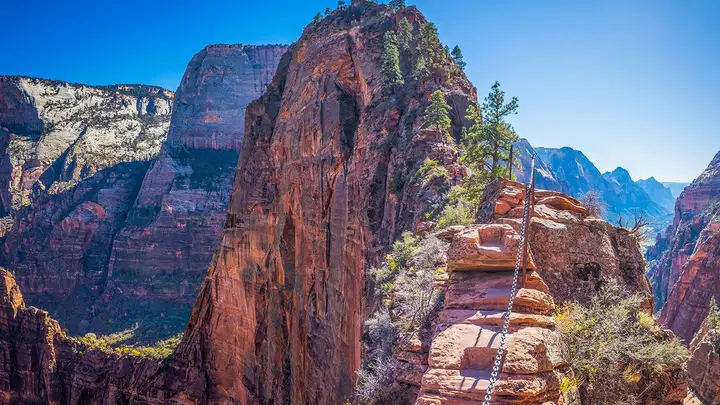
The first fatal incident occurred on April 17, when 68-year-old Gilberto Ramos from Texas fell to his death while hiking the infamous Angels Landing trail. The route is widely regarded as one of the most dangerous hikes in the United States due to its narrow ridgeline and steep drop-offs that require hikers to hold onto chains for stability.
According to the National Park Service, emergency responders quickly mobilized after receiving reports from other visitors. Ramos was later found on the north side of the trail near Zion Canyon, and recovery operations were completed the same day.
The incident triggered temporary trail closures and a large-scale rescue response involving local law enforcement and search-and-rescue teams. Authorities continue to investigate the circumstances surrounding the fall.
Just days later, on April 22, a second tragedy unfolded.
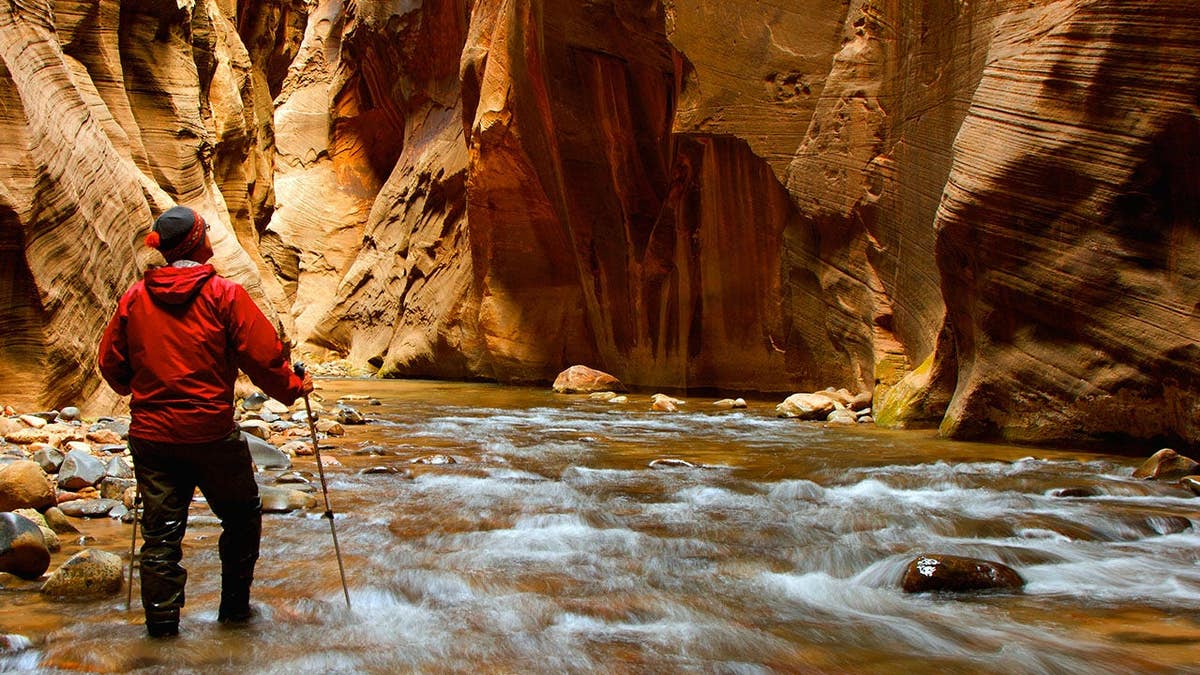
A 43-year-old man from California died while canyoneering in Spry Canyon. Although considered a beginner-friendly route, Spry Canyon still involves technical challenges such as rappelling down cliffs up to 165 feet.
Emergency responders arrived at the scene around 5 p.m. and attempted lifesaving measures but were unable to revive the individual. Officials confirmed that the incident remains under investigation.
Unlike the dramatic fall at Angels Landing, authorities described the second incident as a lower-height accidental fall. However, even minor missteps in such terrain can have fatal consequences.
Experts say these incidents highlight a critical reality: risk is always present in natural environments, regardless of experience level.
Bill Wade, executive director of the Association of National Park Rangers, emphasized that many hiking deaths result from simple errors in judgment. These can include stepping off marked trails, misjudging terrain, or encountering unpredictable natural hazards such as rockfall or sudden water surges.
He also noted that most accidents are not caused by infrastructure failures, but by human decisions—especially when visitors ignore warning signs or underestimate conditions.
Zion’s landscape, while visually stunning, presents multiple layers of danger. Narrow slot canyons, steep cliffs rising over 2,000 feet, and rapidly changing weather conditions all contribute to an environment where mistakes can escalate quickly.
The park’s popularity may also play a role.
As more visitors seek adventure experiences, trails like Angels Landing have become social media icons, sometimes encouraging people to attempt routes beyond their skill level. The desire for dramatic photos or personal achievement can lead to risky decisions.
At the same time, experts warn that reducing staffing levels in national parks could impact emergency response times in the future, potentially increasing risks during critical situations.
Despite the tragedies, officials stress that national parks cannot eliminate all dangers.
Nature, by definition, involves uncertainty. While safety measures, signage, and regulations exist, they rely on visitors making informed and cautious decisions.
For many, Zion remains a place of awe and inspiration. But these recent deaths serve as a sobering reminder that beauty and danger often coexist.
The message from authorities is clear: preparation, awareness, and respect for the environment are essential.
Because in places like Zion National Park, one wrong step can change everything.