
Prada Turns Controversy Into Collaboration With Indian Kolhapuri-Inspired Sandals
Less than a year after facing criticism over runway sandals resembling traditional Indian footwear, Prada has returned with a new strategy: collaboration instead of controversy.
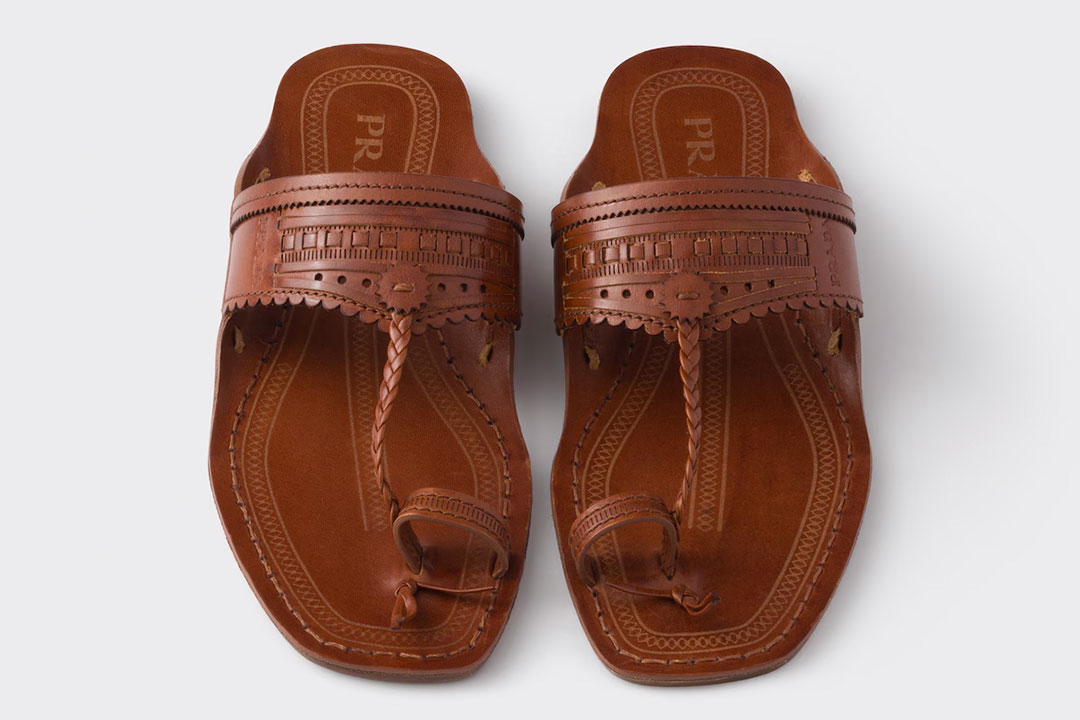
The luxury brand has launched a limited-edition range of sandals made in India and inspired by the celebrated Kolhapuri chappals. Each pair is listed at around $880, placing the handmade style firmly in the global luxury category.

The announcement follows a storm that erupted in June 2025 after Prada presented sandals at a Milan fashion show. Many in India argued the pieces closely mirrored Kolhapuri footwear yet lacked acknowledgment of their origins.
The reaction was swift. Indian artisans, lawmakers, and consumers accused the brand of using cultural heritage for profit without proper credit. The issue became part of a larger global debate over how fashion houses draw inspiration from traditional cultures.
Kolhapuri sandals are among India’s most recognized traditional footwear forms. Originating primarily from regions in Maharashtra and Karnataka, they are known for hand-cut leather construction, intricate detailing, and generations of artisan skill.
Prada now appears determined to change the narrative. Rather than simply referencing the design, the company has entered agreements to manufacture approximately 2,000 pairs directly in India through partnerships with state-backed institutions.
The new products combine local craftsmanship with Italian technical processes, suggesting a hybrid model where heritage meets luxury manufacturing.
Distribution will remain selective. Prada says the sandals will be available in 40 chosen stores worldwide and through digital channels, creating scarcity and premium positioning.
Yet the more significant move may be Prada’s investment in people rather than products. The company has introduced a three-year artisan development program targeting eight districts historically associated with Kolhapuri production.
Training will be conducted through leading Indian design schools, including the National Institute of Fashion Technology, in six-month learning modules. Around 180 artisans are expected to benefit in the initial phase.
Participants may also have the chance to visit Italy and train at the Prada Group Academy, gaining exposure to luxury-sector quality systems, materials innovation, and international retail expectations.
For supporters, the initiative is a welcome correction. It acknowledges that traditional communities deserve visibility and opportunity when their heritage enters global commerce.
For skeptics, important questions remain: how much value flows back to artisans, whether compensation is fair, and whether traditional makers will retain creative identity rather than become outsourced labor for global labels.
These concerns matter because fashion consumers are changing. Younger buyers increasingly examine not only style but also sourcing, labor practices, and cultural sensitivity.
That means heritage collaborations must be credible, transparent, and mutually beneficial to succeed.
From a business standpoint, Prada may also recognize the growing influence of India—not just as a manufacturing base, but as a luxury market, design ecosystem, and cultural force.
If the partnership is handled well, it could elevate Kolhapuri craftsmanship globally while giving Prada a more authentic story to tell.
If mishandled, it may be remembered as a short-term public relations response.
Either way, the episode reveals a new reality in global fashion: inspiration alone is no longer enough. Brands are increasingly expected to collaborate, invest, and share recognition with the communities that shaped the designs they admire.
For now, the humble Kolhapuri sandal has stepped onto one of the world’s biggest fashion stages—and this time, its name is being spoken clearly.